


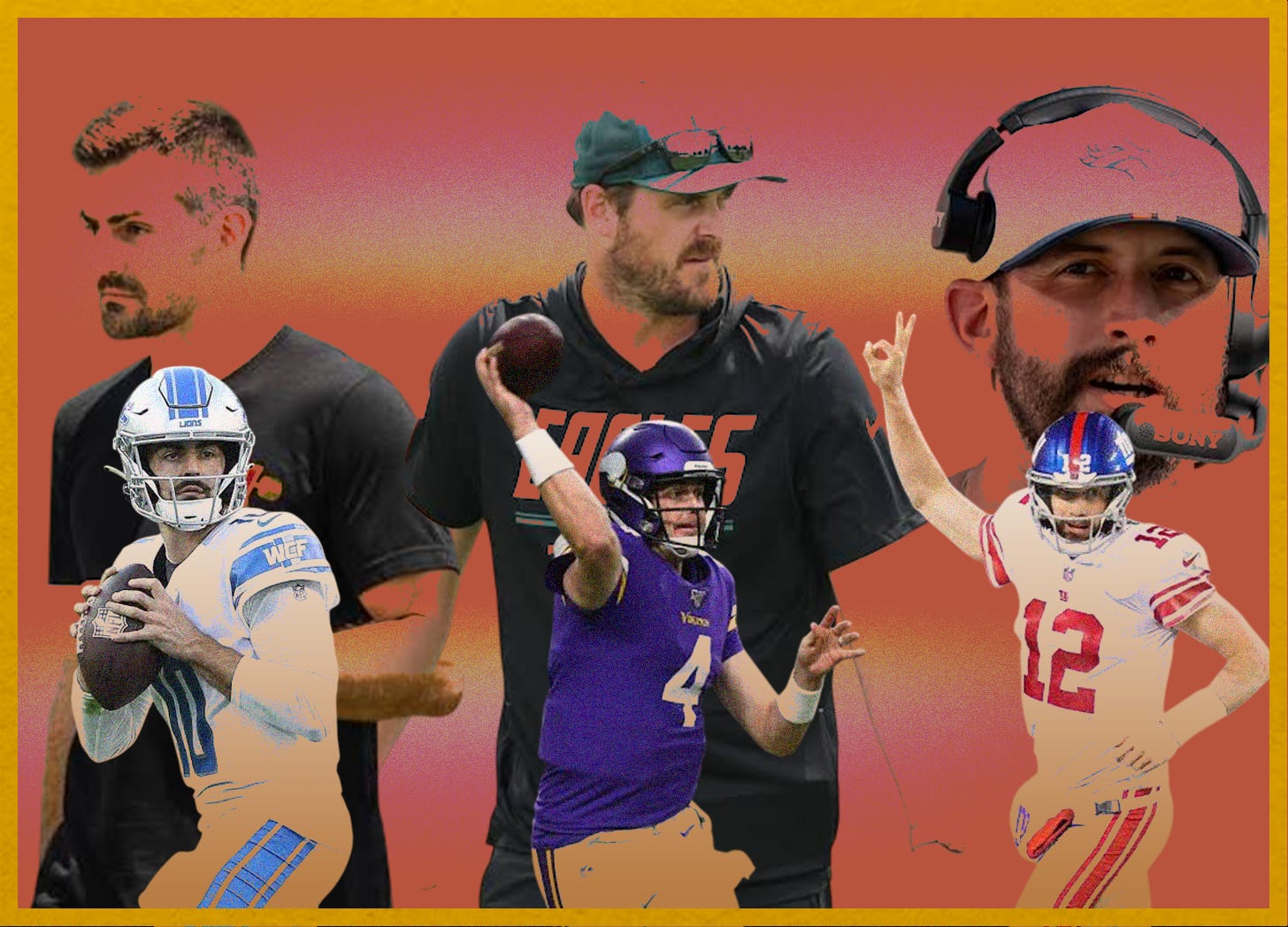
Finding the offensive coordinator of your dreams is easy. Just take 3 simple steps:
Find a backup quarterback who was decent in college but not so great in the pros
Make sure they are 40 years old or younger. Bonus points if they were born after Sir-Mix-A-Lot dropped “Baby Got Back.”
Hand them the keys, light a cigar, and congratulate yourself on a job well done.
In the modern era of football, NFL teams have embraced the ingenuity of young offensive minds. If you’re close to Justin Bieber’s age and sat next to Sean McVay on a flight, we’ve got a job for you! But this past offseason, that embrace has gone into hyperdrive. And teams looking for fresh perspectives have entrusted their offenses to one particular group of ex-players: young backup quarterbacks.
Specifically, quarterbacks who kind of sucked in the NFL. Stunk. Blew chunks. As they say, those who can’t do become offensive coordinators. These days it’s almost better to be a backup quarterback on a good team than a starter on a bad one (looking at you 2045 Philadelphia Eagles Head Coach Tanner McKee).
The ex-quarterback coaching pivot reached its apex in the mid-aughts when career NFL backup Gary Kubiak won it all with Peyton Manning as head coach of the Broncos in 2015, and long-time backup quarterbacks-turned-coaches Doug Pederson and Frank Reich hoisted the Lombardi Trophy for the Birds in 2017. Since 2000, teams have looked at coaches who were quarterbacks in college or the NFL as a golden ticket for offensive stewardship. 13 of 27 Super Bowl-winning teams since the turn of the century have employed a former quarterback as their offensive playcaller. And honestly, most of those dudes were not great at tossing the pigskin in the pros.
The most successful ex-quarterbacks to call a Super Bowl-winning offense by professional pass attempts since 2000 are Byron Leftwich with Tampa Bay in 2020 (had 1,905 career pro attempts), Doug Pederson (had 522 career pro pass attempts), Gary Kubiak (9 seasons with 298 pass attempts), Matt Cavanaugh with Baltimore in 2000 (won two Super Bowls backing up Joe Montana with the 49ers), and Kellen Moore (104 pro pass attempts).
In fact, most great offensive minds were not great players. Kyle Shanahan totaled 127 yards receiving in two seasons as a walk-on at the University of Texas. Sean McVay had 312 yards receiving in three seasons at Miami of Ohio. Andy Reid played offensive line at Glendale Community College. Ben Johnson was a reserve quarterback at UNC for three seasons.
But the argument for backup quarterbacks is that they are uniquely conditioned to excel as coaches. They spend time studying the stars, picking up the idiosyncrasies of coaching, understanding offense as a whole rather than a part. They are unburdened by the curse of natural talent. Without the innate athleticism and instincts to make the right play, they rely on hard work and an astute understanding of the game.
As backup QB who once ran out of the back of his own end zone, Dan Orlovsky said in an article in The Athletic in 2018, “You’re always the guy who is really good but not good enough. Why are you not good enough is probably tied to the physical, so how do you hang on, how do you play for a long time? A lot of the cases it’s because you have a good brain.”
This season, 18 teams will have new offensive play-callers. 10 of those 18 are former college or professional quarterbacks, bringing the league total to 53% of playcallers being ex-quarterbacks. 4 of those 10 are ex-quarterbacks over 40 who will make you think you woke up in a time machine (Frank Reich and Matt Nagy are the offensive coordinators of New York teams? Did I wake up in 2018?). Also, fun fact: new Browns head coach Todd Monken was ripping zingers for Division II school Knox College in the 80s and still has the record for most touchdowns thrown in a game, most passing touchdowns in a season, and most completions in a game. Call him Touchdown Todd.
6 of those 10 new ex-quarterback playcallers are 40 or under. A tradition that started after Sean McVay took the league by storm in his early 30s and got jobs for ex-quarterbacks like Matt LaFleur. I call this new class of offensive playcallers the OC Bros. They are the wunderkinds. The young guns that teams believe can punch their ticket to a championship-level offense. They bow at the altar of Zac Taylor. This season, those guys are:
Mike LaFleur, Arizona Cardinals Head Coach (39 years old)
Tommy Reese, Atlanta Falcons Offensive Coordinator (34 years old)
Zac Robinson, Tampa Bay Buccaneers Offensive Coordinator (39 years old)
Davis Webb, Denver Broncos Offensive Coordinator (31 years old)
Sean Mannion, Philadelphia Eagles Offensive Coordinator (34 years old)
David Blough, Washington Commanders Offensive Coordinator (31 years old)
Two of these guys are 1 B.J.B. ( “before Justin Bieber was born”). The job market for a young former QB is bustling. But these OC Bros need to meet a strict set of circumstances to become the head offensive honcho. So if you’re looking to go from backup quarterback in the league to offensive coordinator, there are a few steps you need to take.
Step 1: Have a great college football career
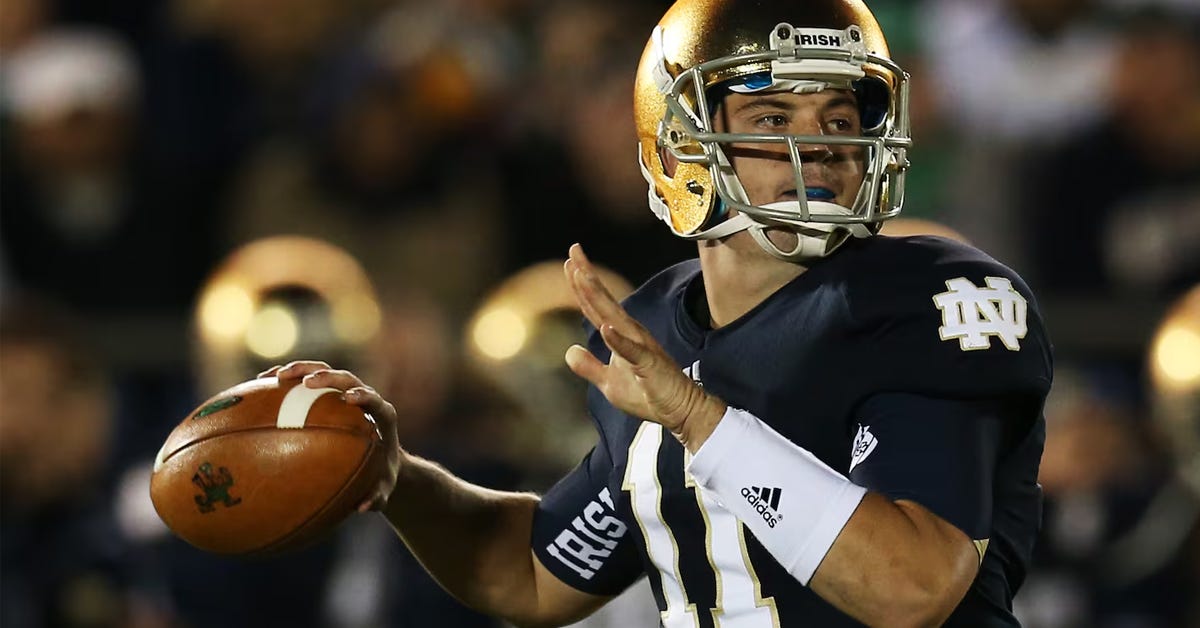
Listen, even Matt LaFleur left Saginaw Valley State University as the all-time leader in passing yards in school history. To become a bad backup quarterback in the league, you need to be a good one in college. Tommy Reese ranks top 4 in career passing yards and touchdowns at Notre Dame. Zac Robinson set the record for offensive yards at Oklahoma State.
Davis Webb threw for nearly 10,000 yards at Texas Tech and Cal. Sean Mannion is the all-time leader in passing yards and touchdowns at Oregon State and 5th all-time in Pac-12 passing yards, right below Jared Goff and above Michael Penix Jr. And David Blough is ranked 3rd in career passing touchdowns at Purdue, 4th all-time in career passing yards, and threw for the most yards in a single game in Purdue history. Get a little dip on that chip so you can make it into the shield.
The exception here is Mike LaFleur, who played quarterback at DII Elmhurst University before converting to safety his senior year.
Step 2: Backup a good quarterback
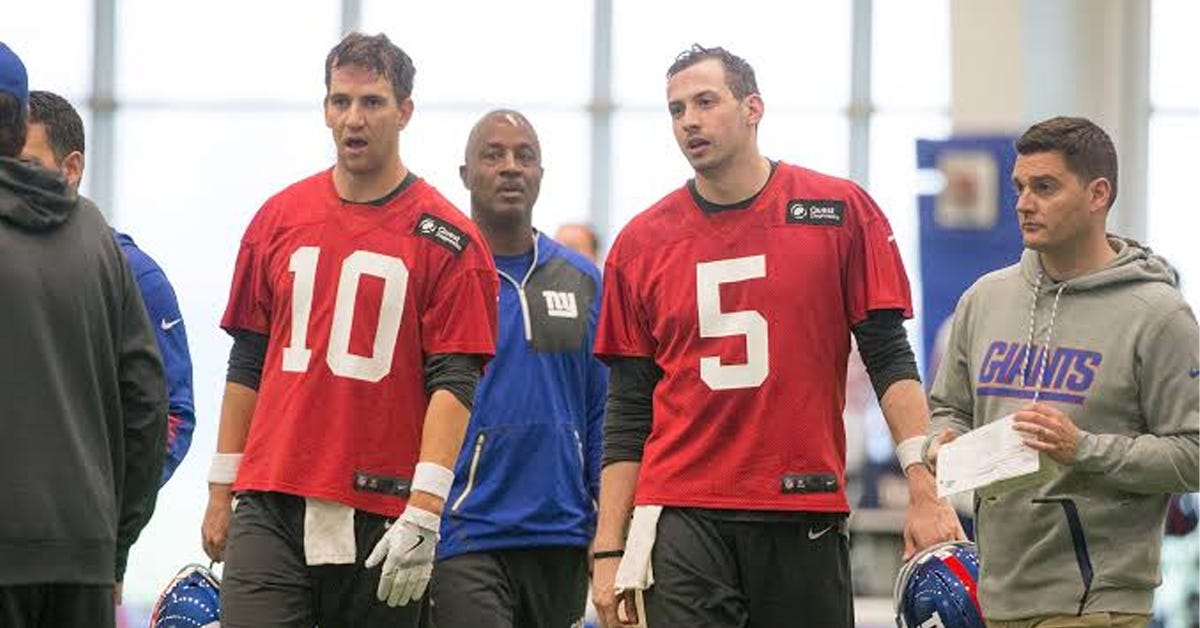
The best OC Bros learn from being in the presence of excellence, whether from the bench or the practice squad. It’s their proximity to greatness that makes them…maybe great. Zac Robinson was drafted by New England in the 7th round when Tom Brady was there. Davis Webb played with Baker Mayfield and Patrick Mahomes in college, and backed up Eli Manning after he was drafted by the Giants in the 3rd round and Josh Allen later in his career. Sean Mannion backed up Nick Foles (our lord and savior), Jared Goff, and Kirk Cousins. David Blough backed up Matthew Stafford while with the Lions.
Step 3: Have an unsuccessful playing career
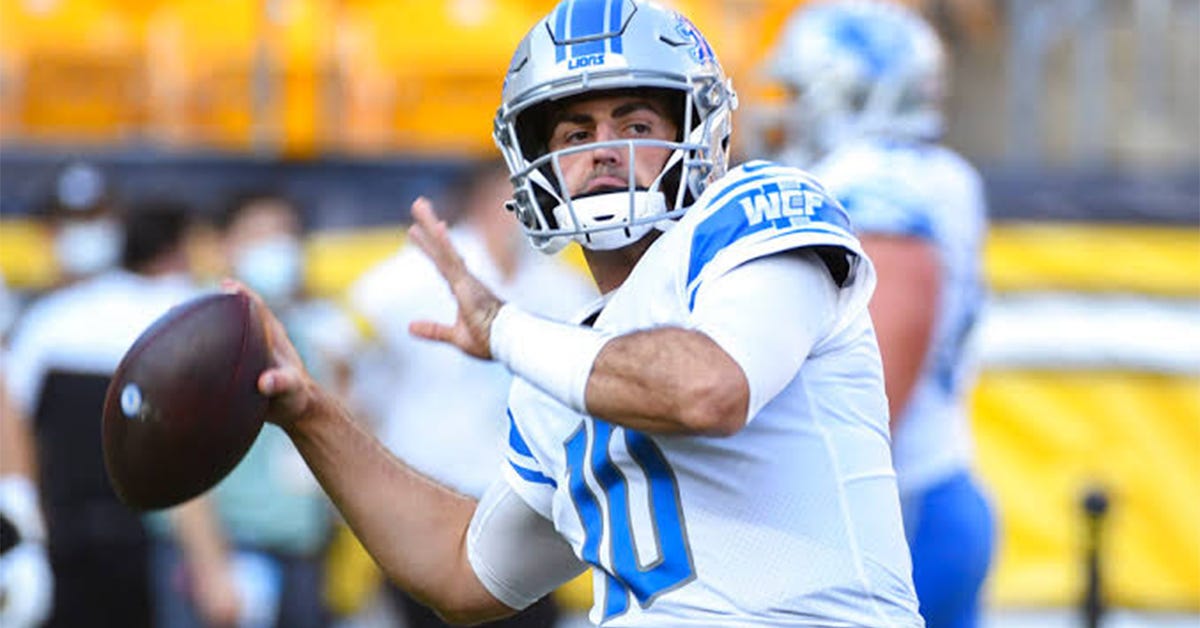
And do it fast before you turn 40! The OC Bro needs to embrace his future rather than his present. Mike LaFleur and Tommy Reese never made it to the league as a quarterback. Check. Zac Robinson made it to the league but never took a meaningful snap. Check. Davis Webb played one game in his career (his last game ever) against the Eagles in 2022, where he went 23/40 for 168 yards and 2 touchdowns (one passing, one rushing). We’ll allow it.
Sean Mannion appeared in 14 total games in his 6-year career and threw for only 573 yards, 1 touchdown, and 3 interceptions. Solid. David Blough, unfortunately the most successful of the bunch, started 9 games in the NFL, throwing for 1,435 yds, 6 touchdowns, and 9 interceptions. Almost legitimate, but we’ll allow it.
Step 4: Be in the presence of great coaches
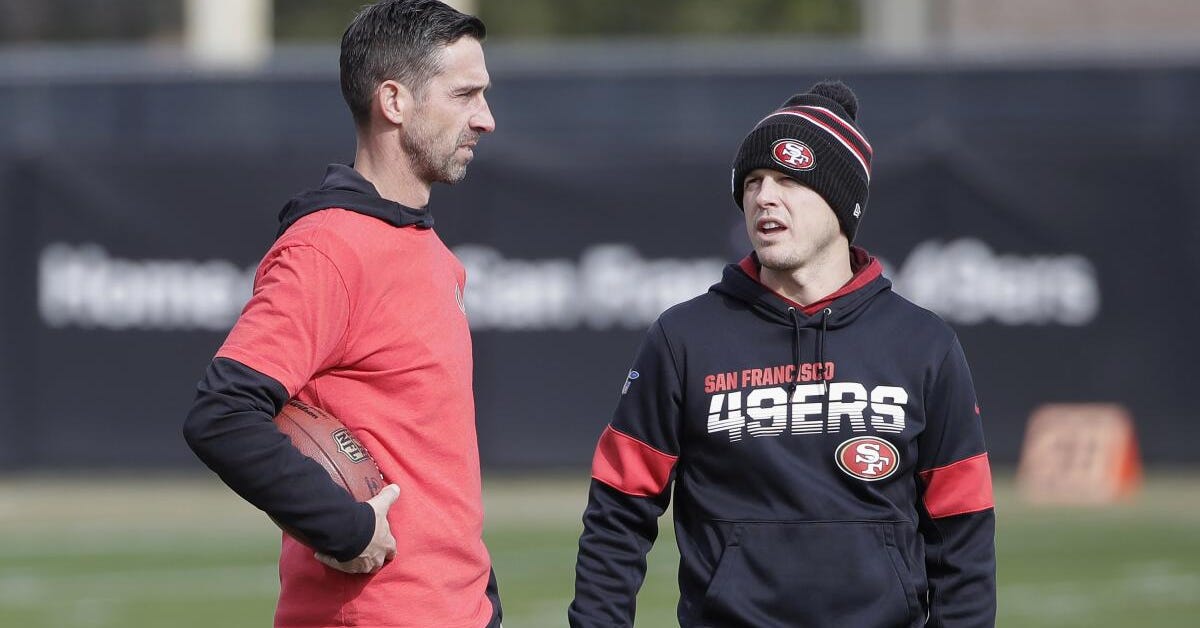
The final step is a big one. If you spent your career learning from Freddie Kitchens, I've got bad news for you. But if you shook Kyle Shanahan’s hand or got yelled at by Bill Belichick one time, you’re in the running.
Mike LaFleur spent most of his coaching career with Kyle Shanahan and Sean McVay. Tommy Reese coached under Brian Kelly at his alma mater and served as the offensive coordinator at Alabama during Nick Saban’s last season as head coach before joining Kevin Stefanski in Cleveland.
Zac Robinson spent his entire coaching career under Sean McVay. He called plays with Atlanta for the last two seasons under Raheem Morris, leading them to the 13th- and 26th-ranked offenses respectively (not the best). Davis Webb played under Kliff Kingsbury and Brian Daboll, and coached under Sean Payton (the OG OC Bro).
Sean Mannion played under Sean McVay, Pete Caroll, and Kevin O’Connell before coaching under Matt LaFleur. David Blough played under Dan Campbell and played and coached under Kliff Kingsbury.
And there you have it! A simple guide to success. It’s hard enough in this economy. Keep slinging that pigskin, but not too well, and send a cold email to Kyle Shanahan for a coaching internship.
Great topic Jeremy. Excited to read.